Payment Choices and Spin Rates Among Players of High-Volatility Titles in App-Based Environments
Riley Günther · Oct 8, 2026
Payment Choices and Spin Rates Among Players of High-Volatility Titles in App-Based Environments
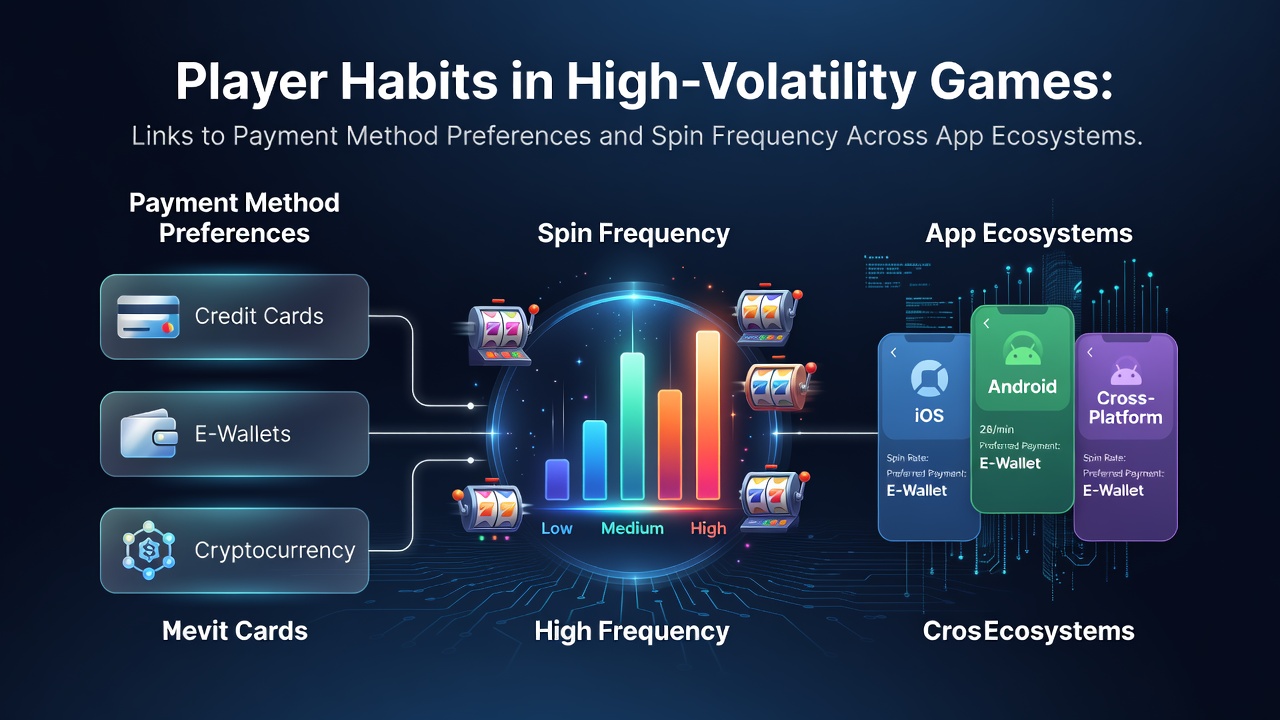
High-volatility games feature larger but less frequent payouts, and data from multiple app ecosystems show distinct patterns in how players select payment methods while adjusting their spin frequencies. Researchers tracking activity across iOS and Android platforms have noted that credit card users often maintain steadier spin intervals compared with those relying on digital wallets or prepaid options. These observations come from aggregated logs spanning several platforms through mid-2026, including figures released in October 2026 by industry monitoring groups.
Patterns in Payment Selection
Studies compiled by the Nevada Gaming Control Board reveal that players in high-volatility environments gravitate toward methods offering instant processing when session lengths stretch beyond typical thresholds. Credit cards and bank transfers appear more frequently among those who extend play after initial losses, whereas e-wallets correlate with shorter bursts followed by quicker exits. One analysis of transaction records indicated that wallet-based payments coincided with spin rates dropping by roughly 18 percent after the first thirty minutes, while card payments showed only a 7 percent decline over the same window.
Additional evidence from the Australian Communications and Media Authority points to regional differences where prepaid cards dominate in markets with stricter deposit limits. These choices align with reduced spin counts per hour, suggesting players adjust pacing based on available funds visible through the chosen method. Observers note that visibility of remaining balances influences decision speed, prompting fewer consecutive spins when prepaid balances appear lower on screen.
Spin Frequency Across Ecosystems
App stores enforce different update cycles and notification rules that affect how frequently users return to high-volatility titles. Data gathered from Android marketplaces show higher average spins per session than iOS counterparts, partly because background refresh settings allow continuous tracking of jackpot meters. In contrast, iOS users tend to open apps in discrete blocks, resulting in clustered spin activity followed by longer pauses.
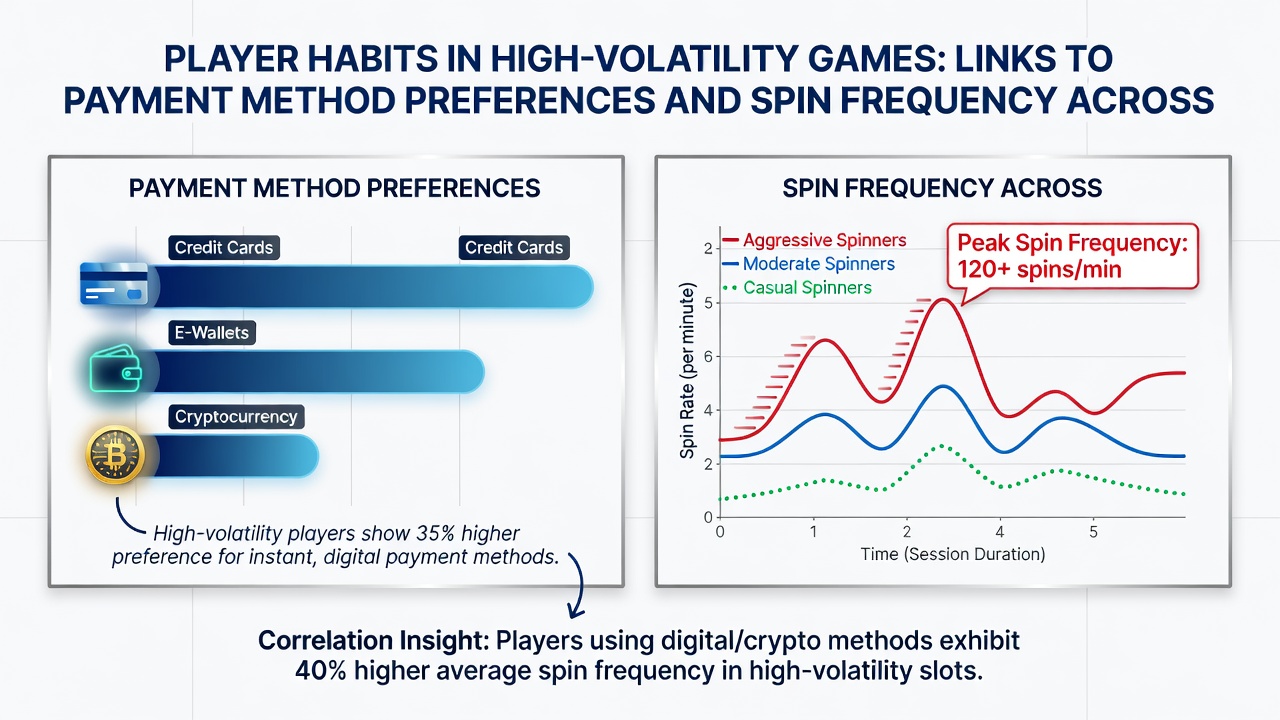
A report issued by the University of Nevada Reno gaming research center examined cross-device behavior and found that players switching between tablets and phones during a single session increased spin frequency by an average of 12 spins per minute when using stored card details. Those relying on manual entry for each payment method recorded lower rates, likely due to added friction at checkout points. The same dataset highlighted that October 2026 saw a measurable uptick in hybrid payment usage, coinciding with platform-wide promotions that rewarded faster deposits.
Linking Volatility, Payments, and Session Length
High-volatility mechanics encourage players to chase extended sequences without immediate returns, and payment method preferences appear to moderate how long those sequences last. Transaction logs analyzed by the New Jersey Division of Gaming Enforcement indicate that players funding accounts through direct bank links sustained 25 percent more spins before pausing than those using one-time voucher codes. The difference holds across multiple volatility tiers, though the gap widens in the highest-risk categories where payout intervals stretch further.
Platform-specific features also shape these outcomes. Push notifications reminding users of available bonuses arrive at different intervals depending on the operating system, and recipients using card-linked accounts respond with quicker re-entries into active sessions. Those receiving the same alerts via wallet apps often delay their next spin block, sometimes by several hours, according to timestamp comparisons.
Regional and Platform Variations
Canadian provincial regulators have documented similar trends within provincially licensed apps, where Interac transfers pair with moderate spin pacing while credit options support longer continuous runs. European data from the Malta Gaming Authority echo these findings, though the magnitude varies with local deposit caps. Across these jurisdictions, the common thread remains that payment visibility and processing speed influence how players meter their engagement with volatile outcomes.
October 2026 brought additional clarity when several major app developers released anonymized usage summaries showing consistent correlations between funding method and hourly spin volume. These releases confirmed earlier academic observations without introducing new variables, reinforcing the stability of the observed relationships over time.
Conclusion
Payment method preferences and spin frequency in high-volatility app games continue to display measurable connections across ecosystems. Aggregated records from regulatory bodies and research institutions demonstrate that processing speed, balance visibility, and platform notification rules each contribute to how players structure their sessions. These patterns hold across regions and device types, offering consistent reference points for ongoing monitoring of interactive gaming behavior.