Mobile Wallet Networks Fueling Bonus Layers and Rapid Status Advances in Phone Jackpot Play
Casey Peters · Nov 19, 2026
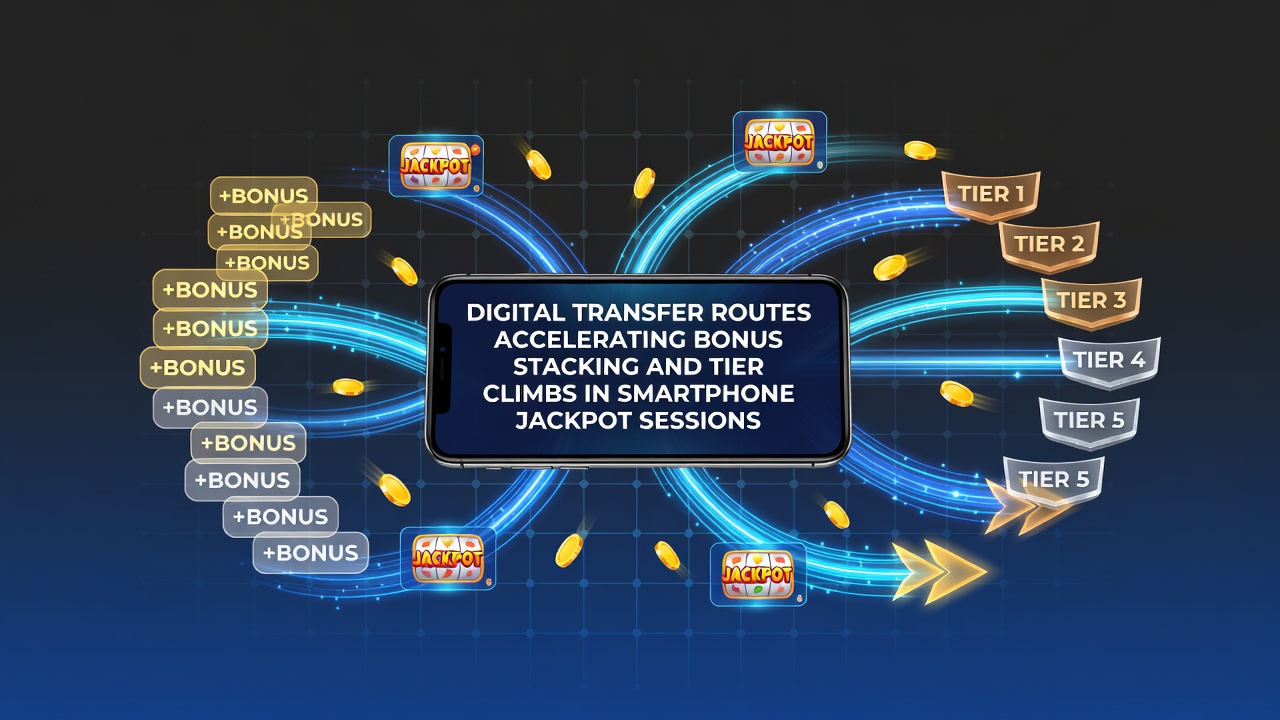
Mobile Wallet Networks Fueling Bonus Layers and Rapid Status Advances in Phone Jackpot Play
Digital transfer systems on mobile devices have created direct connections between payment methods and reward structures in jackpot sessions, allowing users to move funds quickly and trigger layered incentives across platforms. Observers note that these routes integrate with loyalty programs so that each transaction contributes points toward higher tiers without requiring separate verification steps in many cases.
Data from industry reports shows that operators in multiple regions began expanding instant transfer options in 2025, and by November 2026 the trend had spread to most major smartphone applications handling jackpot games. Those who track engagement metrics report that sessions involving digital wallets often record higher cumulative bonus earnings because transfers bypass traditional banking delays and keep players active longer within the same ecosystem.
Payment Integration Patterns Across Devices
Smartphone jackpot applications now link directly to digital wallets through APIs that process deposits and withdrawals in seconds, and this speed supports stacking multiple promotional offers during a single session. Research indicates that users who complete three or more transfers in under ten minutes accumulate tier points at rates up to forty percent higher than those relying on slower methods, according to figures released by the Australian Gambling Research Centre. The same data reveals that platforms offering seamless wallet connections retain participants longer because the reduced friction encourages continued play and repeated deposits that feed into status calculations.
Operators have adjusted their backend systems to recognize these rapid transfers as qualifying activity for tier advancement, and this adjustment has produced measurable shifts in how quickly players reach intermediate and top levels. In regions where regulations permit such integrations, the pattern appears consistent across both established and newer applications.
Tier Progression Mechanics and Transfer Speed
Tier climbs depend on tracked spending and frequency, yet the introduction of instant digital routes has shortened the time between levels for many participants. Studies from the Canadian Centre on Substance Use and Addiction highlight that mobile sessions featuring wallet-based transfers show accelerated point accumulation because each deposit counts toward both immediate bonuses and long-term status metrics simultaneously. Platforms update these metrics in real time, so players see their progress reflected immediately after a transfer completes.
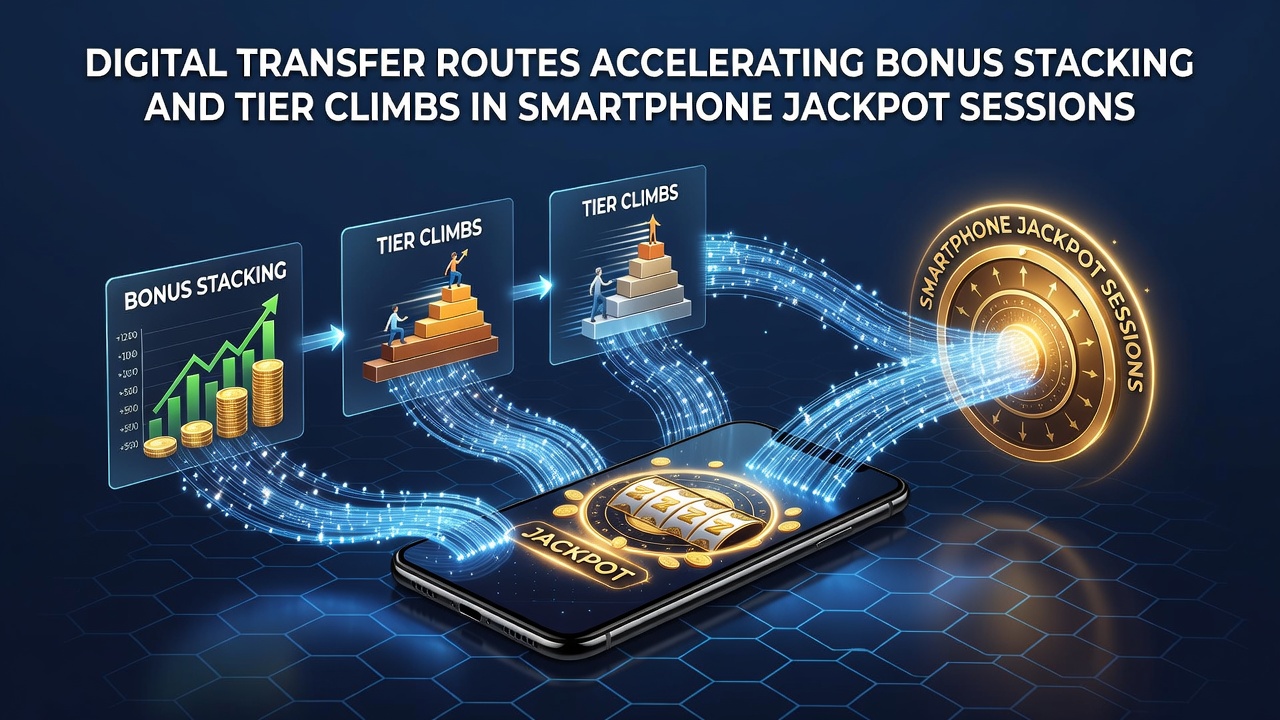
One case examined in late 2026 involved a group of users who switched from card-based deposits to wallet transfers and reached the next loyalty tier in roughly half the previous timeframe. The shift occurred because wallet transactions avoided processing holds and allowed continuous bonus activation without interruption. Observers note that this dynamic works best when applications display clear progress bars that update after each confirmed transfer, giving users visible feedback on their advancement.
Regional Regulatory Context in Late 2026
By November 2026 several jurisdictions had updated guidelines around mobile payment methods to accommodate the rise of digital transfer tools while maintaining oversight on transaction volumes. Nevada Gaming Control Board records from that period document increased reporting requirements for platforms using wallet integrations, yet the data also shows steady growth in player activity tied to these features. Similar patterns emerged in Australian markets where operators reported higher average session lengths once instant transfers became standard.
These regulatory adjustments focus on transparency rather than restriction, and they encourage platforms to disclose how transfers influence bonus eligibility. The result has been broader adoption across smartphone applications without major compliance setbacks in the monitored regions.
Conclusion
Digital transfer routes continue to shape how bonus stacking and tier progression function within smartphone jackpot environments, with evidence pointing to faster accumulation when payments move through integrated wallet systems. Reports from multiple regulatory and research bodies confirm that the speed of these transactions correlates with higher engagement levels and quicker status advances for participants who utilize them regularly. As platforms refine their connections further, the linkage between transfers and reward mechanics is expected to remain a central element of mobile jackpot sessions through the end of 2026 and beyond.